

Bungee Jumping Planning and Safety for a DIY Experience
Understanding Bungee Jumping Basics – Foundational concepts and why jumps are safe when planned
Thrill is most potent when it is governed by design. In the realm of bungee jumping of their own, fear meets focus instead of frenzy; preparation is the quiet athlete that wins the race. “Preparation converts adrenaline into precision,” a safety engineer once noted, and this mindset anchors every leap.
Foundational concepts hinge on balance between eagerness and assessment. Joints, harnesses, and anchors are treated as living agreements—where redundancy, rated equipment, and site familiarity negotiate the risk, not annihilate it. Jumps feel safer when built on measurable standards and a clear understanding of the environment.
To illuminate the terrain of DIY understanding, consider these broad categories:
- Equipment integrity
- Site assessment and environmental considerations
- Risk awareness and emergency planning
Safety prerequisites and Risk Assessment – Medical clearance, risk evaluation, and personal limits
Planning turns fear into focus, and the leap is not a dare but a measured craft. For bungee jumping of their own, the spine of safety rests on medical clearance and a candid risk assessment, not bravado. A design-minded mindset converts adrenaline into precision, guiding each step from corridor to cord.
Core prerequisites include three pillars for safety:
- Medical clearance from a GP or occupational health professional to verify fitness for activity.
- A formal risk evaluation that considers equipment, environment, and personal health factors.
- A clearly defined personal limits framework with a plan to pause or abandon the attempt if thresholds are crossed.
Beyond clearance and evaluation, environmental awareness and emergency planning anchor the moment. Assess wind, humidity, and perch stability, then map out access routes and rescue options. A calm, rehearsed response sequence helps turn possibility into a controlled experience rather than a reckless plunge!
Choosing a Jump Site with Safety in Mind – Site criteria, compliance, and setup considerations
A jumping plan is a map for the mind as much as the body; the right site turns nerves into focus and courage into cadence. For those pursuing bungee jumping of their own, the canvas must be honest, compliant, and stable, a stage watched over by standards as old as the hills.
Key site criteria and compliance considerations include:
- Regulatory alignment with local permissions and insurance requirements
- Proven equipment provenance and site stability
- Clear access for emergency response and spectator management
Beyond clearance and risk, setup considerations shape the experience: proper anchoring designed within regulatory guidelines, contingency planning, and a design-minded attention to ingress and exit, ensuring a measured leap rather than a reckless plunge.
Gear, Equipment, and Prep Essentials – Harnesses, cords, helmets, and pre-jump checks
Gear becomes a mirror of intent when planning a DIY ascent into the air. In the quiet tension before a leap, I hear the careful hum of cords and harnesses as if they were living instruments of trust. Planning for bungee jumping of their own means treating equipment not as costume but as a vow—each piece harmonised with the environment and the mind’s tempo.
Essential gear categories include:
- Harnesses designed to fit a range of body types and rated for dynamic loads
- Cords and tethers with certified breaking strength
- Helmets that balance protection with visibility
- Carabiners, anchors, and backup connectors
- A simple pre-use inspection routine and spare parts
Pre-jump checks stitch the moment together, balancing breath with tightening resolve; they honour the line, the platform, and the onlookers who bear witness. A calm, curious appetite for safety becomes a kind of quiet courage.
Personal Readiness and Risk Management
Medical and Fitness Considerations – Health screening, fitness expectations, and contraindications
Safety is the engine behind every leap in the bungee jumping of their own. A concise health check turns potential risk into predictable thrill.
Medical history, medications, heart status, and neck or back concerns are weighed to flag contraindications before any jump.
- Cardiovascular instability or uncontrolled hypertension
- Significant cervical or spinal issues
- Pregnancy or recent major surgery
Fitness expectations focus on core stability, mobility, and calm under pressure, recognising that some health conditions may make participation inadvisable.
Mental Preparation and Decision Framework – Stamina, fear management, and decision-making process
Fear is a countdown, not a cage, and personal readiness is the compass for the bungee jumping of their own. A clear plan turns pre-jump jitters into a focused rhythm—breath, stance, and a moment-to-moment decision.
Mental preparation and a decision framework keep the leap honest.
- Stamina: sustainable breath control, posture, and micro-moments of calm before take-off
- Fear management: recognition, reframing, and controlled exposure
- Decision framework: a simple yes/no protocol that honours personal limits
When everything is aligned—site, gear, medical clearance, and the inner signal—the plunge becomes a conversation with gravity rather than surrender. This is how a controlled, electromagnetic moment unfolds.
Equipment Inspection and Maintenance – Pre-use checks, wear indicators, and maintenance cadence
Gravity is a stern editor, and your plan must pass the audition. In the world of bungee jumping of their own, readiness isn’t a mood—it’s a method. With the site scouted, the gear checked, and the nerves acknowledged, the moment becomes a measured conversation with gravity, not surrender.
Pre-use checks, wear indicators, and a disciplined maintenance cadence form the backbone of personal readiness. The aim is sanity over bravado, and a quiet confidence that comes from seeing the gear behave—twice—before the leap.
- Pre-use checks
- Wear indicators
- Maintenance cadence
A culture of meticulous record-keeping and professional oversight cushions the leap, turning a vertical moment into something almost ceremonial.
Harness Fitting and Jump Protocols – Proper harness fit, safety checks, and standard procedures
Gravity doesn’t bluff, and a single misfit can steal the moment. “Control is built in the harness,” a veteran guide often reminds trainees. Personal readiness becomes the backbone of the jump, a quiet discipline that threads safety, focus, and nerve into one measured conversation with gravity. This is bungee jumping of their own—an intimate test of trust.
Proper harness fit and a clear jump protocol are not extras; they are the baseline. The fit should be snug and balanced, with loads aligned along established paths; checks are part of formal risk management and kept in records. When the moment arrives, the jump proceeds under standard procedures that prioritise calm and control.
In the practice of bungee jumping of their own, readiness is a measured commitment built on consistency, not bravado.
- Harness fit
- Safety checks
- Standard procedures
Emergency Planning and Contingencies – Emergency contacts, first aid readiness, and abort criteria
Across UK adventure outfits, a well-documented emergency plan keeps tension in check and incident escalation low. Personal readiness is the backbone of every jump, a calm, practiced mindset that turns nerves into a measured response. This is where safety becomes an instinct rather than a formality.
- Emergency contacts and clear communication protocols
- First aid readiness and access to trained personnel
- Abort criteria and decision thresholds
This is bungee jumping of their own—a quiet, intimate test of trust, where readiness and contingencies weave safety, focus, and nerve into one breath against gravity.
Site Evaluation and Rigging Essentials
Assessing Height, Jump Zone, and Rigging Points – Height requirements, clear fall zones, and anchor points
Gravity is patient, but it is unforgiving to haste. Site evaluation treats height, the jump zone, and rigging points as three pillars of prudence. We weigh height requirements against clear fall zones and anchor point viability, turning raw adrenaline into measured responsibility.
- Height requirements match body, cord, and site.
- Clear fall zones without obstructions.
- Anchor points and redundancy assessed.
For those considering bungee jumping of their own, this framework keeps bravado in check and safety in focus. It emphasises certified anchors, reliable loads, and gear integrity, all within UK standards and professional ethics.
Environmental and Weather Considerations – Wind, rain, storm risk, and temperature effects
Weather is the unseen referee of height and nerve, where gusts write the script and visibility shadows the courage. In the UK’s temperate theatre, wind can ripple the anchor line and rain can veil the line’s sheen, altering perception as much as physics.
For those contemplating bungee jumping of their own, the climate plays a starring role in safety calculus. Temperature swings, moisture, and storm risk all shape how the rigging behaves under load and how the jump zone breathes in the moment.
- Wind patterns and gusts across the venue
- Rain, drizzle, and surface moisture
- Storm risk and sudden weather shifts
- Ambient temperature and material response
Respect for these elements preserves the integrity of the setup, letting the performance remain a controlled marvel rather than a reckless gamble.
Permits, Liability, and Local Regulations – Legal requirements, waivers, and park/site permissions
Gravity’s ledger is read in the ink of permits. A single stamped form can tether the wild thrill of bungee jumping of their own to a melody of safety.
In the United Kingdom, legal harmony binds every leap with a registry of permissions, waivers, and site authorisations, negotiated between landowners and local authorities. Without these, the leap cannot begin.
Key pillars include:
- Legal requirements and waivers
- Park/site permissions and access controls
- Liability coverage and insurance mandates
When these rites are observed, the rigging earns its breath and the arena stays a sanctuary for awe, not a gambit.
Rigging Basics: Anchors, Cables, Redundancy – Anchor integrity, cord selection, and backup systems
Site evaluation starts long before a cord hums. For those choosing bungee jumping of their own, meticulous assessment of ground stability, approach routes, and anchor possibilities is non-negotiable.
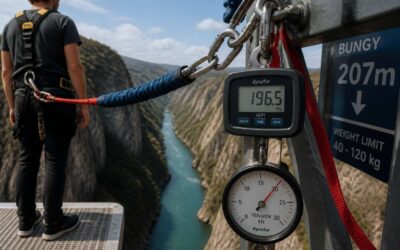
Rigging Basics: Anchors, Cables, Redundancy matter more than swagger. Anchor integrity must be verified against rock, timber, or engineered mounts; cord selection balances elasticity with wear resistance; redundancy means a backup line and an independent failure path so a single fault doesn’t collapse the plan.
Consider these checkpoints:
- Anchor integrity and compatibility with approved mountings
- Cable specification, tensioning, and deliberate redundancy
- Backup systems and rapid abort access
A thorough site sweep and ongoing maintenance cadence keep the thrill contained and the arena safe for awe.
Safety Checks and Inspection Cadence – Routine inspections, checklists, and documentation
“Safety is a habit, not a moment,” a veteran rigger reminds us, and that habit blooms through a disciplined inspection cadence. Site evaluation for bungee jumping of their own begins long before the first cord hums, weighing ground stability, anchor feasibility, and the quiet geometry of approach routes with patient precision.
Routine inspections, checklists, and documentation anchor every decision, turning spontaneity into performance with proven safeguards. The cadence includes a pre-use glance, a mid-season review, and a post-event log that chronicles wear, weather impact, and any deviation from standard practice.
- Pre-use checks and wear indicators
- Seasonal anchor verification and cable tensioning status
- Post-event debrief and documentation update
- Maintenance log reviews and archival of records
With this cadence, the theatre of height remains a measured epic, not a reckless plunge.
Content Strategy and SEO for DIY Jump Experiences
Keyword Research and Intent for Jump Content – Identifying seeker intent and related terms without overreliance on exact phrasing
Content strategy for DIY jump experiences thrives on intent, not bravado. “Intent trumps volume every time,” quips a keen-eyed strategist, and the data sings. The anchor concept here is bungee jumping of their own, framing material around real questions and genuine needs rather than glossy hype.
Keyword research becomes a compass, mapping what seekers actually type and what problems they seek to solve. Identify related terms and semantic cousins—questions, comparisons, and local cues—without forcing identical phrasing:
- Informational questions and explanations
- Comparisons and decision signals
- Local or venue-specific queries
From there, build content clusters that connect topics into pillars and topic-rich layers, guided by intent signals rather than chance rankings. The result is a readable hierarchy that serves both curious readers and search engines with equal respect.
On-Page SEO Tactics for Guides – Title tags, meta descriptions, headers, and internal linking
“Clarity beats hype every time,” a veteran SEO strategist notes. On-page strategy for DIY jump guides starts with a clean structure and a clear purpose. For bungee jumping of their own, title tags and meta descriptions must tell readers what to expect and invite clicks, while headers map the journey. Internal linking stitches related topics into a coherent path, helping readers and search engines move with confidence. In the UK, this approach earns trust fast and improves crawlability without noise.
- Title tags that reflect intent and include primary terms
- Meta descriptions under about 160 characters that promise value
- Structured headers (H1, H2, H3) guiding skim readers
- Internal linking to related guides and FAQs
These elements harmonise content and SEO, aligning the DIY jump experience with the right audience.
Storytelling, Social Proof, and User-Generated Content – Personal narratives, testimonials, and community voices
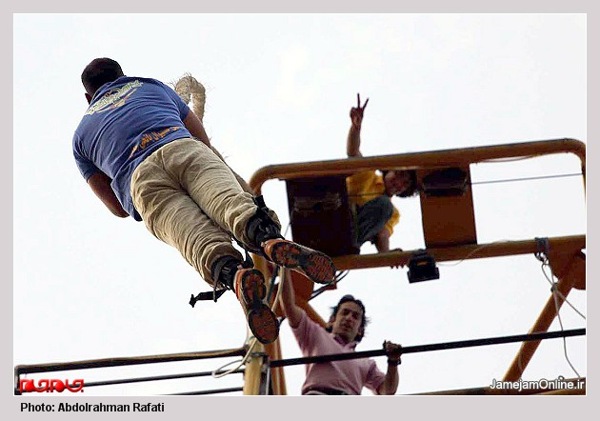
Across the UK, a punchy statistic travels faster than the wind: 68% of readers say personal stories shape thrill decisions more than glossy specs. Content strategy for DIY jump experiences leans into storytelling, social proof, and user-generated voices to stitch trust into planning and keep search engines listening.
Storytelling turns fear into anticipation, making the leap a shared rite. Personal narratives, testimonials, and community voices become a chorus that guides, reframes risk, and invites participation. When readers glimpse the bungee jumping of their own, possibility eclipses hazard, and engagement deepens.
Together, these voices feed evergreen SEO through authentic signals.
- Personal narratives
- Testimonials
- Community voices
Video Strategy: Filming, Editing, Thumbnails – Cinematic shots, pacing, and engaging thumbnails for better CTR
A punchy stat travels faster than wind: 68% of readers say personal stories shape thrill decisions more than glossy specs. In video strategy for DIY jump experiences, the opening frame promises immersion and a sense of place. We shape attention with cinematic language that invites the reader to imagine the leap—and bungee jumping of their own.
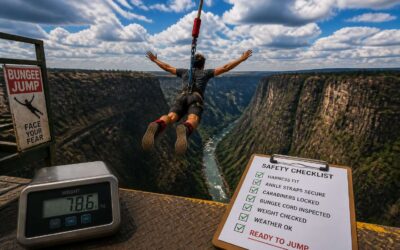
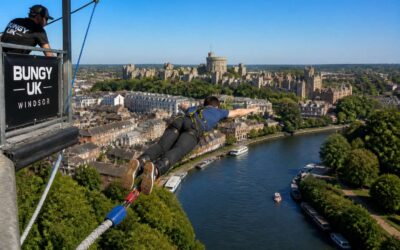
Filming becomes choreography: wide canyon skies, close‑ups on harnesses, and the moment the cord strains. Editing sculpts pace, balancing breath with bursts, while thumbnails spark curiosity without revealing the outcome. This blend keeps viewers engaged, primes SEO signals, and improves CTR as intent meets visuals.
- Cinematic shots that trace the arc of the jump
- Pacing that mirrors adrenaline and reflection
- Thumbnails designed to invite curiosity without spoiling the moment
Ethics, Safety Credibility, and Community Guidelines – Honesty about risks, safety credentials, and responsible sharing
Powerful stories travel faster than glossy bravado. A recent stat shows 68% of readers say personal narratives shape thrill decisions more than specs. For DIY jump content, honesty is the anchor: the truth about bungee jumping of their own—shared with care and accuracy—builds trust before any leap.
We reinforce credibility with clear ethics, safety credentials, and community guidelines. Key pillars emerge naturally:
- Honest portrayal of risks and limits
- Visible safety credentials and transparent sourcing
- Encouraged, respectful sharing from real experiences
From an SEO lens, this framework signals authority and care. Content that blends personal resonance with verifiable facts earns credible signals, wiser backlinks, and engaged readers, especially within a United Kingdom readership that values responsibility.
0 Comments