
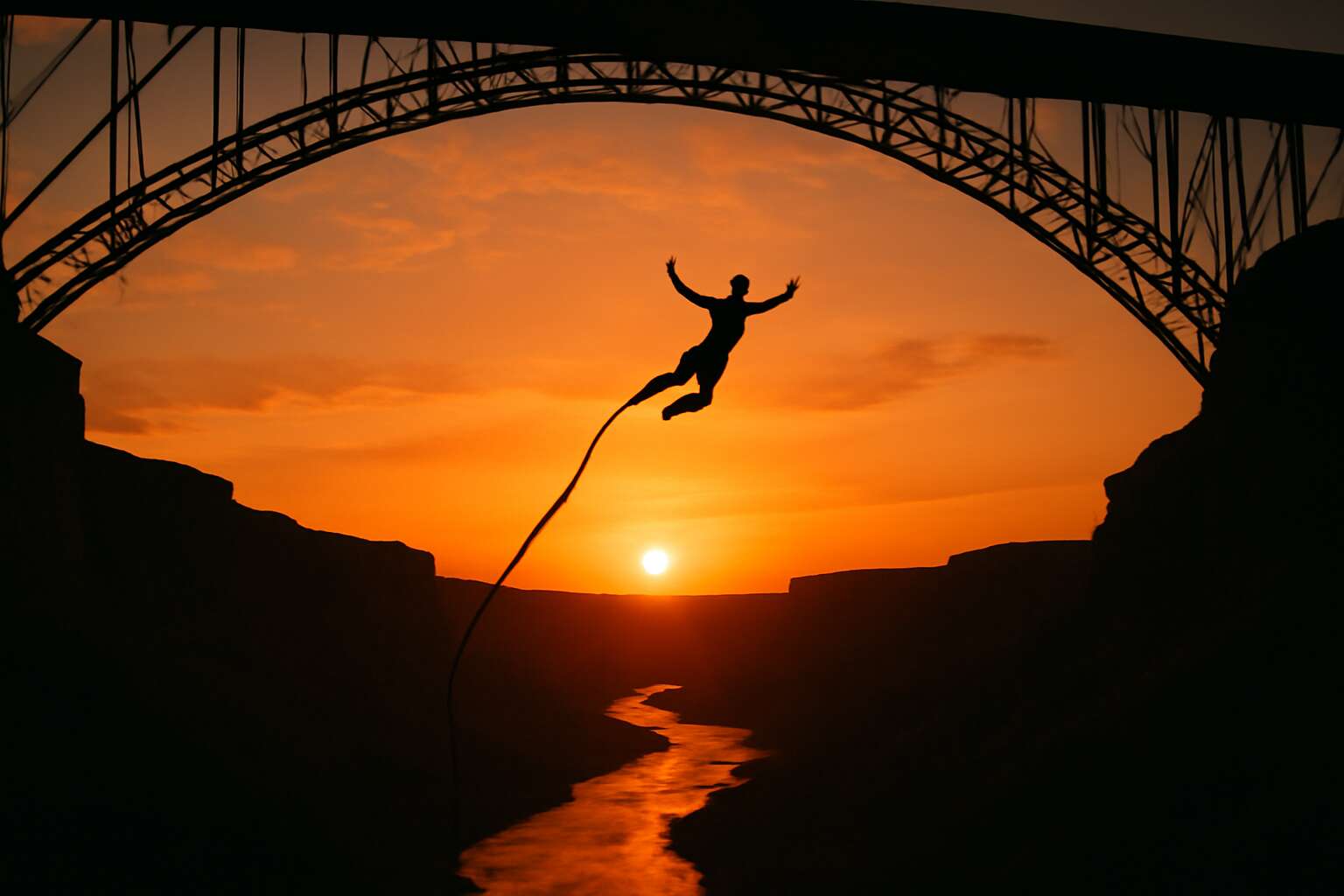
Understanding Tall Bungee Jumps
What Defines a Tall Jump
Across the UK, the pull of the highest bungee jumping draws crowds with the same drama found in a harvest sunset. A recent adventure survey notes an 18% uptick in thrill-seekers chasing these sky-high leaps. The moment at the edge is more breath than bravado—a hinge between fear and faith.
Understanding tall jumps hinges on a few defining pillars.
- Height and free-fall distance
- Rope elasticity and harness integrity
- Anchor points and weather constraints
From a rural vantage, I’ve stood at a field’s edge and felt the rope sing as the crowd holds its breath. “Courage is the hinge of the moment,” a guide told me, and the valley answered with a whisper.
The highest bungee jumping isn’t merely meters above a chalk hillside; it’s a story of ordinary lives pressed into extraordinary scales.
History of Record-Breaking Jumps
Across the United Kingdom, the thrill of skyward leaps pulls crowds with the drama of a harvest moon, and a current adventure survey records an 18% uptick in thrill-seekers chasing these skyward leaps—the highest bungee jumping that reshapes local lore! The moment at the edge is a tense hinge between fear and faith, where a single breath decides the rhythm of the fall and the reassembly of resolve.
- 1986 — Modern birth at Kawarau Bridge, Queenstown, New Zealand, by AJ Hackett.
- 1990s — The sport blossoms, opening iconic sites across Europe and Asia.
- 2000s — Macau Tower’s 233m bungee becomes a global height benchmark.
History isn’t just height; it’s a shared ritual that folds courage into communities, shaping how the highest bungee jumping is remembered and celebrated.
Key Metrics to Compare Jumps
In the UK, adventure trackers report a 29% rise in bookings this season as thrill-seekers chase the edge—proof that the air itself grows louder at height. When chasing the highest bungee jumping experiences, height is only the first clue; the metrics that follow shape the pulse of the plunge.
Key metrics to compare jumps include height, drop duration, wind windows, and safety certifications, because the same platform can offer very different sensations.
- Height in meters and the precise drop path
- Drop duration and total freefall time
- Wind conditions and available weather windows
- Rigging standards and safety certifications
Together, these measures reveal how a leap translates into spectacle and confidence, turning a moment of fear into a remembered rite of ascent—a measured myth in motion. For the highest bungee jumping, precision matters as much as courage!
Popular Regions for Tall Jumps
Understanding tall bungee jumps begins with more than metres counted; it requires a refined eye for wind, rigging, and the choreography of nerves. The highest bungee jumping experiences demand as much psychology as physics—a paradox where the sky feels intimate and the ground politely keeps its distance. In the UK and beyond, thrill-seekers crave resonance, not merely altitude on a plaque, because the ascent is the overture to something wilder.
Popular regions for tall jumps cluster where operators pair dramatic scenery with serious safety culture. Macau Tower in China and Bloukrans Bridge in South Africa are the marquee beacons on the map, offering distinct silhouettes against the horizon and a sense of global theatre that makes a heartbeat skip.
- Macau Tower, China — around 233 m
- Bloukrans Bridge, South Africa — around 216 m
- European and Asia-Pacific platforms with robust safety oversight
Common Myths About Height and Safety
Gravity is the original daredevil, and on the edge the line between risk and artistry blurs. The allure of the highest bungee jumping isn’t only the height; it’s the choreography of breath, wind, and release that makes the leap reverberate in memory.
Common myths about height and safety crumble when you listen to the facts: tall jumps demand precision, not bravado; experience, rigging integrity, and operator culture shape every heartbeat.
- Height alone rarely guarantees thrill—wind, angle, and timing matter more.
- Safety is a culture, not a certificate; ongoing checks and trained staff prevent harm.
- The memory of discipline remains after the drop.
In UK and beyond, the myths are answered by standards and the quiet courage of the jumper.
World’s Tallest Bungee Jump Locations
Nevis Bungy, New Zealand
In the realm of the world’s highest bungee jumping experiences, Nevis Bungy stands as a magnetic beacon. The jump unfolds from 134 meters above the Nevis River, in the Nevis Valley near Queenstown, New Zealand. The drop is a study in suspense—quiet world below, then an instant it slips into freefall, and the canyon opens like a painted window to possibility. It’s a moment that changes the weather in your chest!
- 134-meter leap above a dramatic canyon
- Panoramic views across New Zealand’s alpine landscape
- Rigorous safety protocols and expert crew
For readers across the United Kingdom, such a spectacle reframes risk as a form of travel memory, a narrative you carry long after the cord snaps back and the cheers die down. The rise of Nevis Bungy is not just about height, but about how a single moment can redefine what courage feels like.
Bloukrans Bridge Bungy, South Africa
Bloukrans Bridge Bungy in South Africa claims the crown of the highest bungee jumping experiences, lofting 216 meters above the Bloukrans River. The leap is a theatre of wind and light, where time seems to hold its breath, then shatters into a rush of air and laughter as the canyon opens like a painted window to possibility.
- 216-meter drop from Bloukrans Bridge
- Panoramic views over the Garden Route and Indian Ocean
- Rigorous safety protocols and trained crew
For readers in the United Kingdom, this spectacle becomes a memory you carry long after the cord snaps back and the cheers fade—a mythic moment that reframes fear as a doorway to adventure.
Macau Tower Bungy, Macau
Macau Tower Bungy drops 233 meters—one of the world’s highest bungee jumping experiences. From the observation deck, Macau’s neon becomes a tiny constellation as the platform opens to the void, and time seems to catch its breath before the leap.
- Height: 233 meters
- Platform: designed for wind and light, with panoramic views over Macau’s skyline
- Safety: trained crew and rigorous protocols
For readers in the United Kingdom, this is the memory you carry long after the cord snaps back—an echo of wind, pulse, and the horizon widening into possibility.
Royal Gorge Bridge Bungy, United States
Royal Gorge Bridge Bungy in Colorado isn’t just a leap—it’s a 1,000-foot plunge that cements its place in the hall of highest bungee jumping. From the lip of the canyon, the Arkansas River turns into a silver thread and your pulse does its own gravity-defying encore.
This experience blends dare with discipline: a meticulously engineered platform on the historic bridge, a wind-savvy release, and a crew that treats safety like a sacred vow. Here are the essentials that keep the nerves tamed and the spectacle pristine:
- Height: about 1,000 feet (304 m) above the canyon floor
- Platform: engineered for wind tolerance with dramatic canyon views
- Safety: trained crew, redundant backups, strict protocols
For UK thrill-seekers chasing global heights, Royal Gorge offers a counterintuitive mix of grandeur and grit that sticks in the memory long after the cord snaps back.
Kawarau Bridge Bungy, New Zealand
Kawarau Bridge Bungy in Queenstown is where it all began—43 metres of pure exhilaration that seeded the world’s obsession with the highest bungee jumping. From the edge, the Kawarau River glitters like a silver thread, and the heart learns a new gravity. The platform, perched on a historic span, offers a stark tableau of sky and river, while the cord hums a quiet promise of awe.
- Height: 43 m (134 ft) above the river
- Platform: engineered for balance and wind tolerance
- Experience: intimate, cinematic, and steeped in history
For UK thrill-seekers chasing the lineage of tall leaps, Kawarau remains a beacon—a glamorous reminder that the earliest dives still glow with audacity.
Safety, Preparation, and Gear for Extreme Bungee Experiences
Safety standards and operator certifications
Safety: In the highest bungee jumping landscape, safety standards and operator certifications are non-negotiable. Reputable venues align with international protocols, subject to annual audits and highly trained crews. A calm safety briefing and a precise harness fit turn a spark of fear into disciplined confidence!
Preparation: Mental clarity and medical clearance are essential, along with a lucid briefing on emergency procedures. Weather and wind shape the day’s schedule, and athletes are urged to respect their limits before stepping to the edge; readiness is your best ally.
Gear: The rig is built for redundancy and instant safety. Expect a full-body harness, a secure ankle attachment, and a double-lock release system.
- Full-body harness with redundancy
- Double-lock release and backup lanyards
- Impact-absorbing ankle cuffs and backup safety lines
Choosing a certified operator ensures gear integrity and emergency response readiness.
Gear essentials and what to wear
Across the globe, the thrill of highest bungee jumping moments is tethered to ironclad safety. Reputable venues align with international standards, subject to annual audits and highly trained crews. A calm safety briefing and a precise harness fit turn fear into disciplined confidence!
Preparation is mental as much as physical: medical clearance, a lucid briefing on emergency procedures, and weather-aware planning. Winds determine the schedule, and athletes are urged to respect their limits before stepping to the edge; readiness is your strongest ally.
Gear must feel like a second skin. Wear snug, functional clothing—moisture-wicking layers and closed-toe shoes—without loose items. Hair tied back, no dangling jewellery. The rig is built for redundancy and instant safety.
- Full-body harness with redundancy
- Double-lock release and backup lanyards
- Impact-absorbing ankle cuffs and backup safety lines
Pre-jump routines and mental preparation
Thrills peak where preparation meets steel. The highest bungee jumping moments hinge on safety. “Safety is the thrill’s quiet partner,” reminds veterans—a calm briefing and exact harness fit turn fear into confident resolve!
Preparation is mental as well as physical. Medical clearance, a lucid briefing on emergency procedures, and weather-aware planning set the tempo. Winds can rearrange the schedule in minutes, so athletes respect their limits before stepping to the edge; readiness remains your strongest ally.
- Medical clearance and health checks
- Clear emergency procedures briefing
- Weather and wind awareness on site
Gear should feel like a second skin. Choose snug, functional attire—moisture-wicking layers and closed-toe footwear—and leave loose items behind. The harness is built for redundancy, with careful checks that reassure as you stand at the brink. That discipline matters in any tall jump.
Choosing a reputable operator and reading reviews
“Safety is the thrill’s quiet partner,” murmurs a veteran of the highest bungee jumping, and that truth rings across the UK. A reputable operator binds fear with discipline—calibrated harnesses, redundant lines, and trained staff on hand to steady the moment.
Preparation is ritual, not hasty bravado: health screening, a lucid emergency briefing, and weather-aware planning align with the day’s pace, for winds can redraw the schedule in minutes. Reading reviews offers a sober gauge of a provider’s safety culture.
Gear should feel like a second skin: snug, functional attire and closed-toe footwear, with no loose items. The rigging bears a maintained history and is checked by quiet, competent hands at the brink.
- Operator credibility and public safety performance
- Rigging maintenance history and redundancy checks
- On-site medical readiness and response capability
On-site safety procedures and what to expect
Safety in the realm of the highest bungee jumping is a quiet professional’s art—calibrated harnesses, redundant lines, and staff ready at the brink. On-site procedures unfold like a well-rehearsed play, where each knot and breath has purpose. Across the UK, these standards remain the quietly spoken norm.
- Rigging maintenance history and redundancy checks
- On-site medical readiness
- Calibrated emergency procedures and experienced supervision
Preparation is ritual, not bravado: mental prep, a lucid briefing, and weather planning that keeps the schedule flexible. The best operators balance anticipation with patience, ensuring timing aligns with conditions and the platform’s stillness before the drop.
Gear should feel like a second skin: snug, functional attire and closed-toe footwear, with no loose items. The rigging bears a maintained history and is checked by quiet, competent hands at the brink. This harmony of equipment and expertise makes the leap memorable for the right reasons.
Planning Your Tall Bungee Trip
Best times of year for each location
Planning your tall bungee trip isn’t just about the jump height—it’s about timing. The right season can mean calmer weather, clearer views, and smoother check-ins for the highest bungee jumping experiences around the world. Heat, wind, and crowds shape each venue, so knowing when to go matters as much as choosing a pier or bridge. Here are optimal windows for several marquee locations to guide your itinerary.
- Bloukrans Bridge Bungy, South Africa: Spring and autumn (Sept–Nov, Mar–May) bring mild conditions and steadier winds.
- Kawarau Bridge Bungy, New Zealand: Late spring to autumn (Nov–Apr) offers long days and comfortable temperatures.
- Macau Tower Bungy, Macau: Dry, cooler periods in autumn and winter (Oct–Dec; Feb–Apr shoulder months) are ideal.
- Royal Gorge Bridge Bungy, United States: Late spring to early fall (May–Oct) provides pleasant highs and abundant daylight.
Budgeting and hidden costs
Thrills last longer when the budget holds steady. In the realm of the highest bungee jumping, hidden costs can push a single moment of awe into the hundreds. The base jump price is only the opening note; travel, accommodation and fees you didn’t anticipate can change the whole trip’s texture.
Beyond the jump, consider the small print—insurance, local taxes, and waivers, plus transport to remote venues and occasional visa or permit charges. For readers in the United Kingdom, currency swings and peak-season surcharges matter more than you might expect, tipping, and photography or video rights can quietly surface as well.
- Transport to the venue
- Insurance and medical coverage
- Local taxes and venue fees
- Accommodation and meals nearby
- Equipment rentals or gear checks if needed
- Flight or train fare changes and baggage costs
- Photography or video rights and publish fees
- Gratuities and incidental expenses
Understanding these facets helps frame the experience of the highest bungee jumping as a moment of pure courage rather than a sudden bill at checkout.
Travel logistics and visas or entry requirements
Gravity has a language, and the highest bungee jumping is its most literal translation—yet the thrill is inseparable from travel logistics. A veteran jumper once whispered, “Height is a negotiation with time.” For UK readers, visas, passport validity, and entry requirements map the runway of the leap long before the cord sings. Currency swings, peak-season surcharges, and local transport to remote venues frame the journey as much as the drop.
- Passport validity and visa regimes for the destination
- Flight routes and transfer times to remote jump sites
- Local transport options and nearby accommodation
Choosing a route that respects these threads keeps the mind from spiralling into the financial aether after the moment of awe, letting the psyche stay present to the unknowns that lie beyond the drop.
Booking tips and how to secure a slot
Time is the launchpad for the highest bungee jumping dream. A veteran jumper once said, “Height is a negotiation with time.” The planning stage is where anticipation meets logistics, and a well-spaced itinerary keeps the mind level when the countdown begins.
The booking climate is shaped by timing, exchange rates, and access to remote jump sites. Weather windows, local transport, and nearby accommodation influence the moment you finally stand at the ledge, letting the drop feel inevitable rather than abrupt.
In this dance of doors and deadlines, choose an operator with clear safety standards and transparent pricing. The goal isn’t haste but certainty, letting the moment be the moment—before and after the leap into the experience that makes life feel larger.
Accessibility considerations for first-timers
Stand on the cusp where fear tinkers with fate. In thrill-seeker surveys, 72% report that accessible facilities calm nerves before the leap, turning anticipation into a shared ascent toward the highest bungee jumping. For first-timers, planning your tall bungee trip is as much about comfort as timing—and it begins long before the countdown, with a quiet map of how you’ll reach the platform, rest between nerves, and trust the first drop as it arrives.
- Step-free access to the platform and viewing areas
- Clear, multilingual briefing and readable safety signage
- Nearby transport options and accessible changing facilities
In the end, accessibility is a bridge of reassurance—between the countryside calm and the adrenaline rush of the ledge. The right choice widens the doorway to the edge, letting the moment be all you hoped for—and a story you’ll tell in barns and towns for years to come.
FAQs, Myths, and Debunking
Is bungee jumping safe at extreme heights
Into the realm of highest bungee jumping, a question grips the mind like frost on a cathedral window: is the plunge safe at extreme heights? Industry data suggest injuries occur in fewer than 1% of jumps when strict safety protocols are observed, yet the fear lingers. Safety is not a rumor but a choreography of trained personnel, certified gear, and relentless checks—an orchestra conducted at the edge of gravity.
FAQs echo through cliffside air, addressing common concerns with blunt clarity:
- What is the minimum age and health requirement for an extreme-height jump?
- How does harness and cord technology protect the fall?
- Do weather and visibility impact the safety of the experience?
Debunking myths reveals a steadier truth: height does not doom the jumper. Modern rigs include redundant safeties, meticulous maintenance, and trained operators who anticipate every scenario. The myth of inevitable catastrophe dissolves once the countdown begins.
How height affects adrenaline and experience
Three seconds of tilt and thrill—that’s the clock face of the highest bungee jumping. FAQs shape the moment: age, health, harness tech, and weather checks.
- What is the minimum age and health requirement for an extreme-height jump?
- How does harness and cord technology protect the fall?
- Do weather and visibility impact the safety of the experience?
Myths about height and safety persist. Some insist the bigger the drop, the bigger the risk. In reality, redundancies and trained operators keep danger at bay.
Debunking shows the countdown is a controlled ritual, not a roll of the dice. Clear protocols and contingency plans are standard.
Height shapes adrenaline in the moment—sharp, electric, unforgettable—yet the experience stays grounded in training and structure. You ride the air with clarity and awe.
How long does a jump last
The FAQs around the highest bungee jumping are short, sharp, and surprisingly sensible. Quick answers:
- Minimum age: generally 14-16 with guardian consent;
- Health: not advised for serious heart conditions;
- Harness and cord: redundant systems, double-back cords;
- Weather checks: wind limits and visibility criteria.
Myths about height and safety persist. Some insist the bigger the drop, the bigger the risk. In reality, redundancies and trained operators keep danger at bay. Debunking shows the countdown is a controlled ritual, not a roll of the dice. Clear protocols and contingency plans are standard.
Height shapes adrenaline in the moment—sharp, electric, unforgettable—yet the experience stays grounded in training and structure. The moment of the drop is electric but short—the fall lasts a few seconds, and the entire experience clocks in at roughly one to two minutes from countdown to the final settle. In the realm of highest bungee jumping, every heartbeat counts.
Age, health, and eligibility requirements
FAQ pages for the highest bungee jumping illuminate age, health, and eligibility with brisk clarity. Minimums hover around 14 to 16, typically with guardian consent; adults often require a health check if there are any concerns. The emphasis is practical: if a condition could be aggravated by a sudden shock or a heart condition, participation is deferred. Facilities stress trained operators, redundant harnesses, and strict weather windows.
- Minimum age: typically 14-16 with guardian consent
- Health: not advised for serious heart conditions or pregnancy without medical clearance
- Equipment: harnesses and cords with redundancy and independent backups
- Weather: wind limits and visibility criteria
Myths about height and safety persist; some insist bigger drops equal bigger risk, yet the opposite is true in practice—risk is mitigated by professional oversight, pre-jump checks, and contingency plans.
Debunking makes the experience feel ceremonial rather than reckless; in the realm of the highest bungee jumping, adrenaline strikes fast. Height shapes adrenaline, but training and structure keep the moment safely tethered to reality.
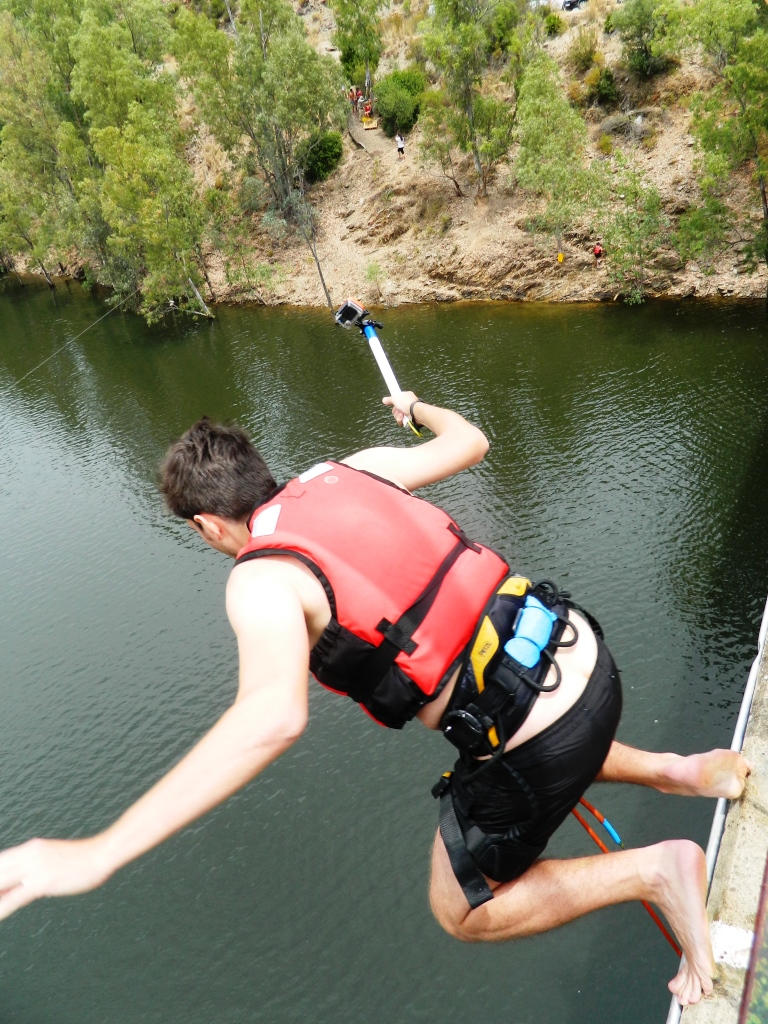
Post-jump recovery and aftercare
FAQs surrounding the highest bungee jumping swirl with intrigue and clarity. Age, health, and eligibility questions drift through the crowd, while myths about gargantuan drops persist. In truth, trained operators, redundant harnesses, and precise weather windows keep the spectacle safely tethered to reality.
- Minimum age and guardian consent
- Health requirements and medical clearance
- What happens on the platform
Debunking the myths shows that height does not magnify risk when oversight abounds. Adrenaline arrives in a heartbeat, but professional checks and contingency plans turn a dare into a ceremonial moment—thrilling, yes, but safely anchored to prudence.
Post-jump recovery and aftercare lean toward balance: hydration, rest, and mindful breathing as the body reconciles the rush. If any dizziness or chest discomfort arises, consulting with the operator remains essential—the memory of the highest bungee jumping endures.
0 Comments