
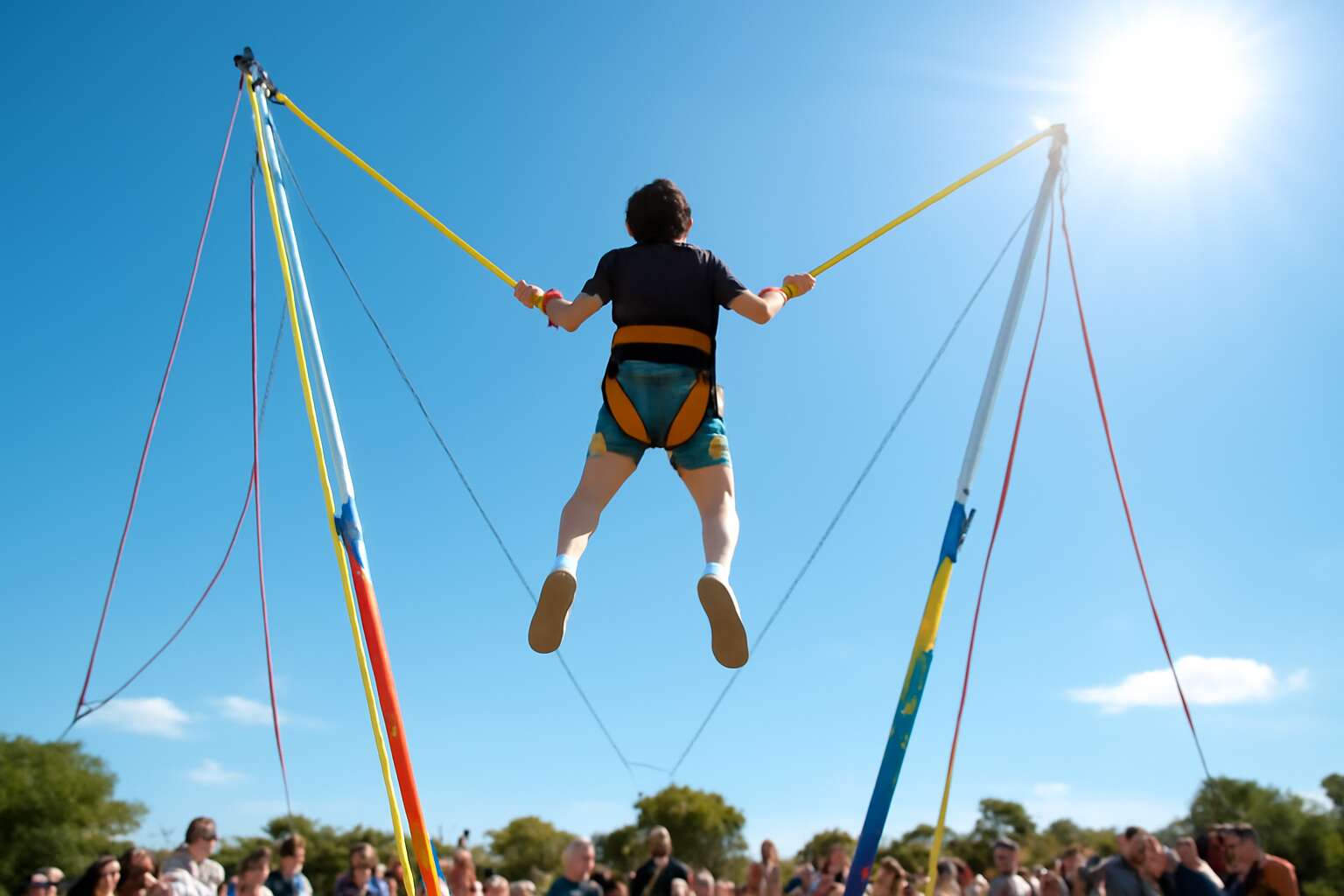
Safety foundations for aerial trampoline experiences
Understanding inherent risks and risk mitigation
In the UK, a strong safety foundation is the difference between a grin and a grimace on the way up. A recent safety review shows seven in ten incidents in aerial experiences arise when the basics are overlooked—no punchline, just common sense!
Understanding inherent risks is not a buzzword; it’s a compass. With trampoline bungee jumping, anchors, harnesses, and clear zones form the mental map of danger and mitigation.
- Structural integrity
- Equipment compatibility
- Human factors
By framing risk as a shared responsibility, venues thread caution through the excitement, letting the performance feel bold without tipping into reckless theatrics.
Personal protective equipment and pre-jump checks
“Safety is the first movement of the leap,” a saying that whispers through UK parks where spectators hold their breath for a heartbeat of sky. In trampoline bungee jumping, safety foundations begin with proper PPE and meticulous pre-jump checks.
- Helmet that fits snugly
- Full-body harness with secure connectors
- Secure ankle straps
- Protective gloves
Pre-jump checks weave calm through the roar: harness fit, buckle security, anchor integrity, and a clear zone around the setup; the ensemble must match the jumper’s size and weight so the ascent remains a controlled spectacle.
Age, weight, and health guidelines for participants
In the hush before the leap, trampoline bungee jumping shows its true face: safety as the quiet backbone of every breathless moment. The safety foundations are visible in calm, precise design, trained teams, and a culture that treats limits with as much respect as awe. It’s a balance you feel when the crowd falls silent and a single heartbeat rides the wind.
- Age: minimum age and guardian involvement per operator policy.
- Weight: within the stated range to support balanced loads and control.
- Health: free from conditions that could be aggravated by dynamic movement.
These guidelines help keep the spectacle smooth and welcoming for riders from all walks of life.
Equipment, setup, and maintenance for bungee trampolines
Key components of trampolines with bungee supports
In trampoline bungee jumping, magic rides on gear that greets gravity with grace. A first-timer whispers, “I felt like I could touch the sky,” and the moment hinges on precise engineering and preparation.
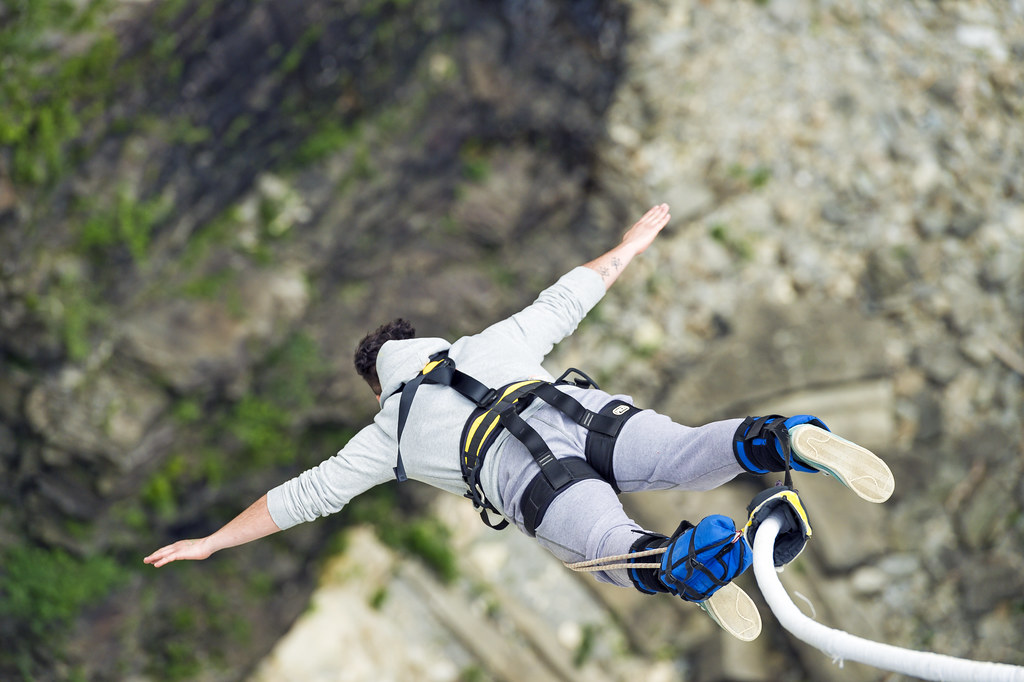
Key components of trampolines with bungee supports include the robust frame and enclosure, the bungee cords, safety harnesses, carabiners, attachment points, and a tidy landing zone. Here’s a quick snapshot of the essentials.
Setup requires a level, clearly marked space, wind assessment, and calibrated tension for rider weight. Staff guide participants through secure harness checks and tethering before the first bounce, keeping the moment calm and safe.
Maintenance is ongoing and meticulous: daily visual checks, cord and frame inspections, corrosion prevention, and a post-session clean-down. Documented records of wear and repairs ensure the experience stays dependable and magical.
Anchoring, harnesses, and safety cables
“Gravity is patient, but reliability shouts in the bounce.” In trampoline bungee jumping, the art lies in precise gear and measured momentum. Anchoring, harnesses, and safety cables form the spine of the thrill, while a robust frame, enclosure, and high-grade cords cradle control with quiet confidence.
Setup is a ritual of precision: a level, clearly marked space, calm wind, and tension calibrated to weight. Staff guide harness checks and tethering, shaping anticipation into safety.
- Anchoring system that resists dynamic loads
- Harness adjustments for fit
- Carabiners and safety cables checked
- Attachment points aligned with load paths
The moment remains calm before the first ascent.
Maintenance is ongoing and meticulous: daily visual sweeps, cord and frame inspections, corrosion prevention, and a post-session clean-down. Documented records of wear, repairs, and replacements keep the trampoline bungee jumping experience dependable and magical.
Routine inspection and maintenance schedules
In trampoline bungee jumping, equipment, setup, and maintenance are not mere backstage tasks; they are the heartbeat of the ride. The rig wears a quiet, iron-clad dignity: high-grade cords, a stout frame, carabiners that gleam with ritual precision, and anchors that hold the dream. Every ascent hinges on the balance of gear and gravity, kept honest by meticulous care.
Routine inspection and maintenance schedules keep the dream dependable:
- Daily visual sweeps of cords, frame, and connectors
- Regular tension checks and wear inspections
- Corrosion prevention and protective coatings on metalwork
- Post-session clean-down and wear tracking
- Annual professional inspection and certification
That cadence is the quiet magic behind each ascent, where control and thrill meet in a moment of almost supernatural calm.
Common wear points and replacements
The gear speaks before the rider does. In trampoline bungee jumping, equipment is the quiet heartbeat of the ride—frame solid as a barn, cords of high grade, connectors that gleam with care. Setups feel like a hinge between fear and joy, a ritual of precision that promises a safe, soaring moment for every guest.
Common wear points and replacements keep the dream dependable:
- Frayed or stretched bungee cords: retire when you see kinks or thinning.
- Harness webbing and bindings: inspect stitching and load points; replace worn straps.
- Carabiners and connectors: check for corrosion, gate function, and secure locking.
- Frame joints and bolts: look for rust, cracks, or looseness; tighten or replace as needed.
Post-session care matters: a quick clean, protective coatings on metalwork, and a clear wear log guide future replacements. Trampoline bungee jumping thrives when gear is treated with quiet respect and regular attention.
Techniques, skills, and safe progression in bounce-based stunts
Progression paths: from basic tucks to advanced flips
In the vault of air, technique is the hinge where power becomes poetry. In trampoline bungee jumping, precision sustains height and rhythm. I watch the line bend with intent, and I hear the hush of wind before a smile breaks in the air!
Focus areas: body tension, line, timing, and controlled rotations, with a mind on safe progression rather than bravado. I crave clean lines and calm control, the breath guiding every arc.
- Foundational control: tuck, neutral spine, light leg engagement
- Transitional balance: shifting from tuck toward a straight line mid-air
- Rotation mastery: gentle initiations into twists and banked turns
- Flip culmination: measured, repeatable reversals with secure landings
Together, these milestones map a journey from basic tucks to advanced flips, allowing performers to grow their repertoire while staying anchored to safety principles.
Body positioning and landing technique
Techniques in bounce-based stunts demand the quiet power of awareness: body tension, line, and timing fuse to turn height into rhythm. In trampoline bungee jumping, precision sustains lift without tipping into bravado, and the breath becomes tempo, guiding every arc with calm clarity.
Body positioning shapes every bounce. A tucked start gives control, but a clean, neutral spine and light leg engagement keep the line steady as you drift. Landing respect—soft, controlled absorption—lets momentum decay without jolt.
- Keep a straight line through the torso and hips
- Let breath pace timing and rhythm
- Absorb landings with soft knees for control
These elements form a cohesive progression, focusing on control rather than spectacle. When executed with patience, bounce-based stunts become a disciplined performance that respects space, equipment, and participants. In the United Kingdom, operators align with established safety standards and staff training.
Coaching tips and spotting methods
“Consistency beats flash every time!” declares a veteran operator, and that truth anchors coaching in trampoline bungee jumping. Techniques here hinge on quiet awareness—breath, line, and timing fuse to turn height into rhythm. Progression stays safe and focused: start with a neutral spine and light leg engagement, then soften into controlled tucks, and finally refine balance with midline holds and predictable arcs.
Coaching cues and spotting methods that keep outcomes steady include:
- Consistency of gaze helps stabilise orientation and timing.
- Light, supportive contact with clear verbal cues reduces miscommunication.
- Neutral body alignment before lift-off supports safe, measured motion.
Across the United Kingdom, trained spotters reinforce safe progression by watching line and alignment, guiding athletes through measured amplitude and controlled landings. This approach makes the activity safer and more engaging for participants, staff, and venues alike.
Common mistakes and how to avoid them
“Rhythm turns height into control,” a veteran operator mutters, and in trampoline bungee jumping that line lands with impact. The arena hums with potential as technique binds risk to readiness, turning a risky ascent into a confident arc.
Skills to cultivate are deliberate weight transfers, steady tension, and measured releases. Progression should feel like a quiet crescendo: small, controlled take-offs, subtle midair adjustments, and a calm, predictable return to earth.
- Over-rotation during ascent can disrupt the arc and alignment, altering the flight path and stability.
- Clenching the shoulders can stiffen the upper body, dulling responsiveness to the harness dynamics.
- Rushing transitions between phases can fragment rhythm, increasing the likelihood of unexpected landings.
With disciplined coaching, bounce-based stunts become a choreography of safety and spectacle, where every lift, hold, and landing feels inevitable.
Choosing venues, operators, and regulatory considerations
Finding reputable operators and certified instructors
In the UK, the smart choice for a thrill is a venue that treats safety like a feature, not a suggestion. When it comes to trampoline bungee jumping, look for places that lean on certified instructors and transparent regulatory adherence rather than bravado and neon signs.
First, consider the operator’s credentials: licensed, insured, and part of a recognised association—credibility, not chaos, is on the line. Inquire about staff training, supervision ratios, and pre-jump briefings. A solid operator keeps routine safety checks visible and records them clearly.
- Licensed business with public liability insurance
- Certified instructors with current safeguarding and first-aid training
- Visible safety briefing and participant checks
- Regular equipment inspections and incident reporting
Regulatory considerations in the United Kingdom centre on adherence to health and safety guidelines and equipment standards. Seek operators who publish safety policies, liability waivers, and compliance statements approved by recognised bodies.
Legal requirements, waivers, and insurance considerations
Safety isn’t a suggestion; it’s the KPI by which UK venues are measured. When a venue flexes with neon, it might dazzle, but the smart choice is the operator who shows their safety policy, staff training, and regulatory compliance in plain sight. For trampoline bungee jumping, look for clear safeguarding credentials and transparent reporting that makes routine checks a visible habit.
Legally, the UK landscape hinges on health and safety guidelines and equipment standards. Reputable operators publish safety policies, liability waivers, and compliance statements aligned with recognised bodies. Waivers should be transparent, and insurance—ideally public liability along with operator and participant coverage—should be explicit in the contract. In short, credibility rests on paperwork as much as on the bounce.
Venue selection: space, ceilings, and supervision
Pulse-quickening and precise, trampoline bungee jumping demands venues that feel like controlled chaos rather than carnival chaos. In the UK, space, ceiling height, and attentive supervision are non-negotiables, because a well-chosen site is half the safety policy. As one operator puts it, “Safety is the edge you never cross.” The best operators publish safeguarding credentials and regulatory statements in plain sight, so families can see the checks, the staff training, and the maintenance cadence.
For on-site essentials, keep an eye on these pillars:
- Adequate ceiling height and clear floor space for safe take-offs and landings
- Visible, qualified supervision with a strong risk-management presence
- Transparent licensing, insurance details, and adherence to recognised safety standards
In selecting a provider for trampoline bungee jumping, trust that the venue has been designed around restraint and rhythm, not spectacle.
Public safety guidelines and liability awareness
In the UK, trampoline bungee jumping thrives where safety is treated as style, not afterthought. A recent industry survey suggests venues that publish safety credentials and regulatory statements see a meaningful uptick in family confidence.
Choosing venues and operators should feel like courting a partnership in rhythm and restraint—not carnival spectacle. Favor operators who foreground independent risk assessments and staff readiness.
- Independent safety audits and transparent risk assessments
- Clear incident reporting and record-keeping practices
Public safety guidelines and liability awareness remind us that liability is a feature of responsibility, not a fear tactic. Embrace venues that articulate their public safety commitments and align with UK standards.
0 Comments