
Bungee Jumping Safety and Fatality Risk
Overview of Fatality Statistics in Bungee Jumping
The thrill of a leap is measured not just by speed but by consequences, and the reality of bungee jumping death remains a grim reminder. Fatality statistics are rare, yet the phrase itself—bungee jumping death—haunts headlines and safety briefings alike, insisting on caution without draining the exhilaration that draws many to the cord. In this space, risk is acknowledged, never romanticised.
Safety in bungee jumping hinges on disciplined standards, meticulous equipment oversight, and clear operational boundaries. When the environment is scrutinised for integrity and the human factor is recognised, outcomes reflect restraint rather than spectacle.
Key elements that influence risk include:
- Equipment maintenance and inspection regime
- Staff training, supervision, and decision-making
- Weather, location, and emergency readiness
Ultimately, the tension between desire and duty shapes every jump, turning fear into a catalyst for better safeguards and deeper reflections on human limits.
Common Causes of Fatalities in Bungee Operations
Thrill is a balance sheet of risk and restraint. “Safety is a baseline, not a novelty,” as one veteran operator says. The phrase bungee jumping death may haunt headlines, yet the real concern is steady, repeatable safeguards that keep a leap within the realm of controlled risk.
Safety hinges on disciplined standards, meticulous equipment oversight, and clear operational boundaries. When the environment is scrutinised for integrity and the human factor is recognised, outcomes reflect restraint rather than spectacle.
- Equipment maintenance failures and inspection gaps
- Inadequate staff training or decision-making under pressure
- Adverse weather, poor location selection, or delayed emergency readiness
These elements explain why a jump can transform from exuberance to consequence, underscoring governance across the entire operation rather than marketing gloss.
Risk Factors for Jumpers and Operators
Thrill is a ledger of risk and restraint, and bungee jumping death headlines often signal governance gaps more than a single misstep. In the United Kingdom, safety culture keeps the leap contained, a quiet meditation between ceremony and scruple rather than a daredevil carnival.
Risk factors for jumpers and operators are multifaceted and subtle: misread weather, peer pressure, complacency, and the drift from meticulous practice to ritual. The most discerning observers note that true safety rests on disciplined standards and humility before the unknown.
From the jumper’s silhouette at the railing to the operator’s calm call, the human element governs outcomes more than any clip or cord. Here are factors that quietly tilt the odds:
- Culture of haste over caution
- Ambiguity in roles and signals
- Overreliance on routine without ongoing checks
Differences Across Venues and Equipment
In the UK, a bungee jump is a study in contrasts—the thrill tempered by strict safety rituals. “Safety is a shared habit, not a checklist,” an operator says, and this guides decisions from platform to ground.
The specter of bungee jumping death arises less from luck and more from venue-specific safety systems.
- Venue certification and maintenance cycles that align with manufacturer specs
- Redundancies in cord attachment, backup lines, and monitoring at height
- Weather thresholds, wind monitoring, and signal protocols that prevent haste
When the jumper stands at the rail and the operator speaks, safety becomes a microcosm of culture—discipline, humility, and vigilance. From the ground, I have watched how venue and equipment differences remind us that exhilaration and tragedy hinge on everyday choices.
How to Interpret Accident Reports
In the quiet UK countryside, safety whispers louder than cheers. A common stat surfaces in safety reviews: roughly six in ten incidents hinge on human factors rather than gear faults—that shadow keeps teams vigilant. The phrase bungee jumping death haunts briefs, pushing operators to look beyond adrenaline toward discipline and care.
To interpret accident reports, focus on the causal chain: what happened, when, and where. Look for three layers—context (weather, venue maintenance cadence), causation (the lapse or failure), and safeguards (were limits and backups in place or not).
- Context and environment details
- Causal factors and missed safeguards
- Alignment with manufacturer specs
From the ground, the scene of a jump becomes a study in ordinary courage—discipline, humility, and vigilance shaping both exhilaration and safety. The differences across venues and equipment are not trivia but the quiet fulcrums that tilt toward tragedy or grace.
Regulatory Standards and Operator Accountability
Global Safety Standards for Bungee Arenas
Safety in bungee arenas isn’t an afterthought. Across the UK, a single lapse can turn awe into alarm, and the term bungee jumping death hovers over every permit and risk assessment. Venues must balance thrill with rigorous safety culture.
Regulatory standards set the baseline for how equipment is chosen, inspected, and maintained, how staff are trained, and how emergencies are handled. Operator accountability hinges on public-facing governance: documented audits, incident reporting, and licensing under ongoing compliance.
- Periodic equipment certification and traceability
- Certified operator licensing and mandatory refresher training
- Independent safety audits and incident review panels
Global safety standards push for uniform risk assessment, credible oversight, and transparent accountability. When venues align to these norms, communities gain confidence that the arena is not just a draw but a duty.
Licensing and Operator Training Requirements
Regulatory standards set a clear boundary between thrill and recklessness, and licensing anchors operator accountability. As one seasoned auditor quips, “safety is a culture, not a checklist.” In that world, bungee jumping death rumors haunt permits, and governance becomes the most persuasive safety feature a venue can wear.
- Licensing that demands ongoing compliance checks and public accountability.
- Mandatory refresher training and practical drills for staff.
- Third-party evaluations and transparent reviews of any incident.
When venues align with these norms, they signal credibility, continuity, and the promise of trained hands on the rope.
Regular Equipment Inspections and Maintenance Protocols
Safety is a culture, not a checklist. In the United Kingdom’s thrill economy, regulatory standards and operator accountability keep the line between exhilaration and catastrophe intact. The spectre of bungee jumping death has sharpened governance, turning permits into living guarantees rather than paper tokens.
To translate these standards into daily practice, several core pillars emerge:
- Regular equipment inspections by qualified technicians
- Maintenance protocols with auditable logs and clear handover sheets
- Independent third-party evaluations and transparent incident reviews
When venues align with these norms, they signal credibility, continuity, and the promise of trained hands on the rope. We recognise that the conversation around bungee jumping death shifts toward prevention, accountability, and public safety culture rather than sensationalism.
Incident Reporting and Investigations
Safety is a culture, not a checklist. In the United Kingdom’s thrill economy, the line between exhilaration and catastrophe is drawn by accountable leadership and rigorous practice. When the topic turns to bungee jumping death, governance becomes the steady rhythm behind every leap!
Regulatory standards establish the baseline: licensed operators, trained staff, and auditable maintenance. Operator accountability means safety outcomes are a core business metric, with records that extend from the rig to the regulator.
- Immediate incident notification to regulator and venue
- Independent investigations with published, actionable findings
- Transparent audits and public safety updates
Incident Reporting and Investigations: When incidents occur, mandated processes trigger formal inquiries to identify root causes without sensationalism. The aim is systemic improvement and public safety culture, not blame.
Legal Consequences for Lapses
In the United Kingdom, regulatory standards anchor the thrill economy in reality. Operator accountability turns every leap into a test of culture and competence, not a one-off risk assessment. When the bungee jumping death becomes a headline, the consequences swing wide—penalties, investigations, and reputational tremors—exposing how governance behind the scenes keeps the spectacle safe for paying crowds and anxious staff alike.
Legal consequences for lapses are explicit and immediate:
- Prosecution under the Health and Safety at Work Act 1974 with fines or imprisonment for responsible individuals
- Criminal charges such as gross negligence or Corporate Manslaughter and Corporate Homicide Act 2007 for corporations and directors
- Licence revocation, mandatory independent audits, and civil liability for damages
That is the steady rhythm regulators expect—clear records, rapid action, and an unfaltering commitment to public safety.
Equipment, Procedures, and Best Practices
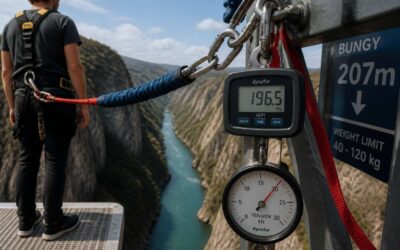
Harnesses, Cords, and Anchor Points: What to Check
The line between exhilaration and tragedy tightens in a heartbeat, and bungee jumping death is the kind of risk that sharp eyes for gear keep at bay. In this equipment-focused brief, we look at harnesses, cords, and anchor points—the backbone of safe leaps.
- Harness fit, adjustability, and double-back buckles
- Cord condition, wear, fraying, and proper dynamic rating
- Anchor points—load-bearing capacity, redundant fastenings, and secure attachments
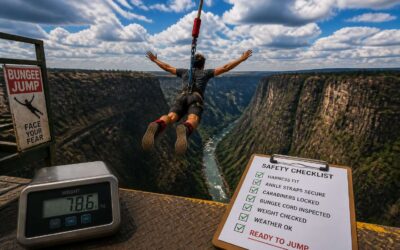
Procedures: Before jump, perform a triple-check: harness is snug; cords are intact and correctly terminated; and anchor points pass a static and dynamic load test. Operators should log every check and maintain clear, repeatable protocols to prevent misreads.
Best practices: schedule routine inspections, swap suspect gear, and train for contingency. Emphasise calm communication, weather awareness, and post-jump QA. A culture of care transforms risk into controlled thrill—reducing the chances of that rare bungee jumping death.
Cord and Rope Material Failures: Causes and Prevention
Equipment: Cord material failures can precipitate a cataclysmic moment in mid-air. UV ageing, heat cycling, moisture ingress, and abrasion erode elasticity; core-sheath separation undermines energy absorption, while coatings and chemical exposure can glaze or stiffen the strands. These faults are whispered precursors to the dreaded bungee jumping death, turning bravado into peril with alarming speed.
- UV ageing and weathering
- Core–sheath wear and fraying
- Moisture, heat cycling, and chemical exposure
Procedures: Vigilance requires consistent assessment of cord condition, termination integrity, and any sign of glazing or stiffness. Documentation and cross-checks help prevent complacency when retrofits and repairs are contemplated in the shadow of risk.
Best Practices: Emphasise material provenance, dynamic ratings, and robust storage to resist environmental assault. A culture of meticulous supplier dialogue and traceability cushions the organisation from the tremulous edge of catastrophe without indulging in melodrama.
Jump Protocols and Safety Briefings
Equipment wears the face of fate in the dim light of a loading bay. When cords fail, bungee jumping death haunts the ledger—a stark reminder that UV ageing, heat cycling, moisture ingress, and core-sheath wear erode elasticity and energy absorption. Harnesses, anchors, and cords must stay true.
Procedures demand steady vigilance: regular assessment of cord condition, termination integrity, and any sign of glazing or stiffness. Documentation and cross-checks help prevent complacency when retrofits and repairs are contemplated in the shadow of risk.
Best practices prize material provenance, dynamic ratings, and sturdy storage to resist the weathering hands of time. A culture of supplier dialogue and traceability cushions the operation from catastrophe’s edge, measured, precise, and free of melodrama.
Weather, Jumping Limits, and Emergency Procedures
Equipment is the hinge between thrill and fate. In the loading bay, the choice of harnesses, lines, and anchors is not cosmetic but existential. A sobering statistic lingers: fatalities occur in a fraction of jumps, and the specter of bungee jumping death reminds us that UV ageing, heat cycling, and moisture nibble at elasticity and energy absorption.
Procedures demand steady vigilance: cross-checks, written condition notes, and a culture that refuses complacency. When doubt arises, a second set of eyes becomes the margin between control and catastrophe, and every escalation is framed as care rather than risk.
Best practices extend to weather sense, tailored jumping limits, and emergency procedures that prioritise calm, swift response, and medical access. In a country where the coast and moorland meet changeable skies, anticipation—not bravado—keeps the moment from becoming a statistic.
Redundancies and Backup Systems
Equipment, properly chosen and maintained, is the hinge between thrill and fate. In the loading bay, harnesses, lines, and anchors are not cosmetic but existential. One near-miss per hundred jumps travels faster than the thrill, a reminder that bungee jumping death can hinge on a single compromised connection, hidden in plain sight under a sunny sky.
- Secondary harness worn in addition to the primary
- Independent backup line with separate anchor points
- Redundant carabiners and connectors, routinely inspected
- Visual and tactile slack monitoring devices
Procedures demand steady vigilance: cross-checks, written condition notes, and a culture that refuses complacency. When doubt arises, a second pair of eyes becomes the margin between control and catastrophe.
Best practices redundancies and backup systems translate to preparedness: dual points of failure are anticipated, not tolerated. In practice, that means drills, rapid medical access, and systems that endure; they counter the spectre of bungee jumping death.
For Jumpers: Personal Safety Checklist
Choosing a Reputable Operator
The reality of bungee jumping death is stark, a reminder that trust begins long before the leap. A thoughtful jumper weighs health, briefing clarity, and the reputation of the operator, because risk compounds in silence and haste.
For jumpers, a personal safety checklist helps keep the mind clear before launch.
- Choose a reputable operator with clear safety policies and transparent reviews!
- Listen to the safety briefing and ask questions until it’s understood.
- Disclose medical conditions, medications, or recent injuries honestly; avoid alcohol or drugs.
- Confirm the venue has clear emergency procedures and staff trained in rescue.
With these guardrails, the jump becomes a humbler, more measured moment.
Pre-Jump Health Considerations
Between the rush of air and the sudden stillness, the mind can flirt with bravado. The idea of bungee jumping death is not the default story—yet it lingers as a reminder that preparation is as essential as adrenaline. “The safest thrill is the one you prepare for,” a veteran guide once told—words that echo in briefing rooms across the United Kingdom.
Pre-jump health considerations anchor the experience in reality. For Jumpers: Personal Safety Checklist Pre-Jump Health Considerations, the focus shifts to self-awareness: how fatigue, recent injuries, or medications might tint perception. Here, a quiet moment of summation—breath, balance, and honest appraisal—bridges exhilaration with prudence.
- Assess fatigue and sleep quality
- Disclose medical conditions honestly
- Avoid substances that cloud judgment
By naming limits and listening to the briefing, jumpers frame the leap as measured, not reckless; the sentence ends with a flourish.
What to Ask at the Platform
On a platform where wind scratches the sky, bravado quietly surrenders to listening. The shadow of bungee jumping death lingers—yet it is a tutor, not a threat. The veteran creed—The safest thrill is the one you prepare for—travels from briefing rooms to the leap, steadying heart and mind with calm, measured words.
- Operator safety certifications and the latest inspection records?
- Harness and cord sized for my weight and height?
- Backup systems and emergency procedures on standby?
- On-site supervision level and staff-to-jumper ratio?
- Weather thresholds or platform conditions that pause or cancel?
These questions weave safety into the rush, anchoring the moment with clarity. When the briefing is honest, nerves align with focus, and the leap feels like a shared ritual rather than a gamble—avoiding bungee jumping death by staying true to the process.
Protective Gear and Preparation
There is a line between thrill and tragedy, and it’s drawn by preparation. “There are no shortcuts to safety,” a veteran guide whispered, and those words stay with me as I watch a jumper measure their breath before the leap. For jumpers, personal safety hinges on discipline, awareness, and honest briefing.
Protective gear and preparation are more than accessories; they’re an inner contract with the moment.
- Protective gear: proper fit and certification
- Health status: medical clearance and current condition
- Equipment checks: a personal fit against the harness
- Communication: signals and agreed procedures
This awareness helps prevent bungee jumping death and keeps the leap a measured rite of passage, not a gamble.
Mind and body hush into synchrony: deliberate breaths, clear priorities, and a readiness to pause when conditions falter. The risk remains, but the brave rhythm of preparation transforms fear into focus.
Emergency Awareness and Self-Assessment
There are no shortcuts to safety,” a veteran guide whispered, and the line lands like a bell before the leap. For jumpers, safety begins with a relentless self-audit: breath, heartbeat, and a clear decision to pause if doubt intrudes. This tempering of fear keeps focus sharp and, in the shadow of bungee jumping death, honesty becomes the only compass.
Consider these guardrails:
- Breathing check: a measured, slow rhythm that steadies the mind.
- Health snapshot: fatigue or lingering illness reflected in body signals.
- Harness and anchor: snug fit observed, with waist belt and leg loops secure.
- Signals and plan: the agreed countdown and emergency cues, calmly acknowledged.
In the hush before the jump, awareness becomes a warm, stubborn ally—an inner weather system that notices gusts of wind, uneven platforms, and fatigue. Emergency readiness is not a performance prop; it is a living dialogue between body and moment.
Case Studies and Industry Lessons
Notable Bungee-Related Fatalities and Their Aftermath
Across the annals of daring, a stark memory threads through every tale: bungee jumping death haunts the mind like a weathered bell. Case studies reveal how luck, design, and human judgment collide in a single, irrevocable moment. These aren’t mere numbers; they are lives that deepen our respect for risk and reverence for safety.
- Case studies show maintenance lapses, platform wear, and inspection gaps converging in tragedy.
- In the aftermath, independent investigations push for transparency and a stronger safety culture across venues.
- Industry narratives shift toward measured courage, balancing thrill with accountability.
From these episodes we learn there is no generous complacency, only a demand for quiet excellence that respects both gravity and aspiration.
What Investigations Revealed About Safety Lapses
Investigations into tragedy reveal how thrill can tilt into catastrophe in a heartbeat. The phrase bungee jumping death haunts reports, turning bravado into a sober accounting of risk. Case studies show how misaligned expectations—between platform staff, procedures, and real-time decisions—collide when tension peaks.
Industry lessons crystallise around governance, transparency, and culture. Independent inquiries highlight that safety hinges on clear responsibility, rigorous inspection records, and honest communication across teams. These findings shift the narrative from reckless daring to disciplined craft.
- Clear chains of accountability across the operation
- Explicit jump procedures and crew communications
- Independent audits of equipment, documentation, and training
From these inquiries, the memory of risk sharpens: safety becomes a shared, quiet excellence rather than a spectacle; the public witnesses a culture that studies itself, not merely records events.
Impact on Industry Practices
Case studies of bungee jumping death incidents reveal how tragedy shifts the frame from bravado to disciplined practice. Investigations highlight governance gaps, transparency deficits, and culture under pressure, turning sensational reports into sober accounting of risk.
Industry lessons crystallise around a few durable principles that operators quietly pursue: accountability is visible across the organisation; procedures and crew communications become standardised; external audits verify gear, documentation, and training.
- Governance is evidenced by documented oversight and clear lines of responsibility.
- Procedures are explicit and briefing routines are consistently followed.
- Independent verification of equipment and training informs ongoing safety culture.
These shifts push safety from spectacle toward steady engineering and shared responsibility, a change the public both notices and expects.
How Cases Shaped Regulations
Tragedy writes the safety manual in bold ink. Case studies of bungee jumping death incidents have a way of turning spectacle into sober risk accounting, with investigations prying at governance gaps and the culture under pressure. The outcome is less bravado, more disciplined practice: clearer lines of accountability, and briefing routines that are rehearsed rather than improvised.
From those revelations, the industry fashions a durable framework: oversight becomes visible across the organisation; procedures gain explicit, repeatable form; and gear and training undergo independent verification. When audits are routine and reports transparent, risk becomes a shared obligation rather than a private gamble.
Public Perception and Risk Communication
Public perception rushes from thrill to alarm at the phrase bungee jumping death. The real shift happens when investigations translate into risk governance, not sensational headlines. A safety director quips, “Transparency is the new safety protocol,” and case studies turn spectacle into sober risk accounting.
From those cases, a durable framework emerges: clearer accountability, independent gear verification, and open reporting that the public can actually read.
- Clear accountability chains across the organisation
- Visible, independent gear and anchor point verification
- Routine audits with transparent findings
- Plain language risk communications after incidents
Public perception now hinges on how risk is communicated. When messages are honest and specific, spectators become stakeholders instead of gossip-mongers.

0 Comments